In May 2003, two developers named Matt Mullenweg and Mike Little forked a little-known blogging tool called b2/cafelog. What they created would go on to power nearly half of every website on the internet — a platform so influential it fundamentally rewrote the rules of what it means to publish on the web.
A Platform That Defies Explanation
To call WordPress a “content management system” is technically correct but wildly insufficient. At its core, WordPress is an open-source publishing platform. But in practice, it has become the operating system of the web — the invisible infrastructure beneath blogs, corporate intranets, e-commerce empires, news outlets, and everything in between.
By 2026, WordPress powers 43.4% of all websites on the internet. That means for every ten websites you visit today, four of them are running on software that started as a passion project by a 19-year-old college student who just wanted a better way to blog.
These numbers are staggering. The nearest competitor, Shopify, powers around 4.4% of websites. Joomla and Drupal — once considered formidable rivals — together don’t add up to 5%. WordPress didn’t just win the CMS wars. It ended them.

Dashboard analytics for a WordPress-powered site generating millions of monthly visits — Photo: Unsplash
A Brief History of Everything
Understanding why WordPress won requires understanding where it came from. In the early 2000s, the web was blooming with amateur publishing tools — Blogger, LiveJournal, Movable Type, and the b2/cafelog platform that Matt Mullenweg used daily. When b2’s lead developer Michel Valdrighi went quiet, Mullenweg and Little took the code and started fresh.
“WordPress is not just software. It’s a philosophy: that publishing is a fundamental human right and that software should be free to use, study, share, and modify.”Matt Mullenweg, Co-Founder, WordPress.org
What Makes WordPress Tick
Most people interact with WordPress from the front end — clicking through pages and posts. But underneath every WordPress site is an elegant architecture that has proven remarkably durable over more than two decades.
The Core Loop
WordPress processes every request through a query mechanism called The Loop. Every page on a WordPress site is really just a question: “What content should I show here?” The Loop fetches the answer from the database and passes it through a chain of filters and actions — a system called hooks — before rendering it as HTML.
The hook system is WordPress’s secret weapon. It allows developers to modify nearly any behavior of WordPress without touching core files — meaning your customizations survive every WordPress update. It’s one of the most elegant plugin architectures ever designed.
Themes, Blocks, and Full Site Editing
WordPress themes control the visual presentation of your site. What began as simple PHP template files has evolved into something far more powerful. With the introduction of Full Site Editing in WordPress 5.9, your entire site — header, footer, sidebars, page layouts — can now be built and edited using the same block editor interface you use for post content.
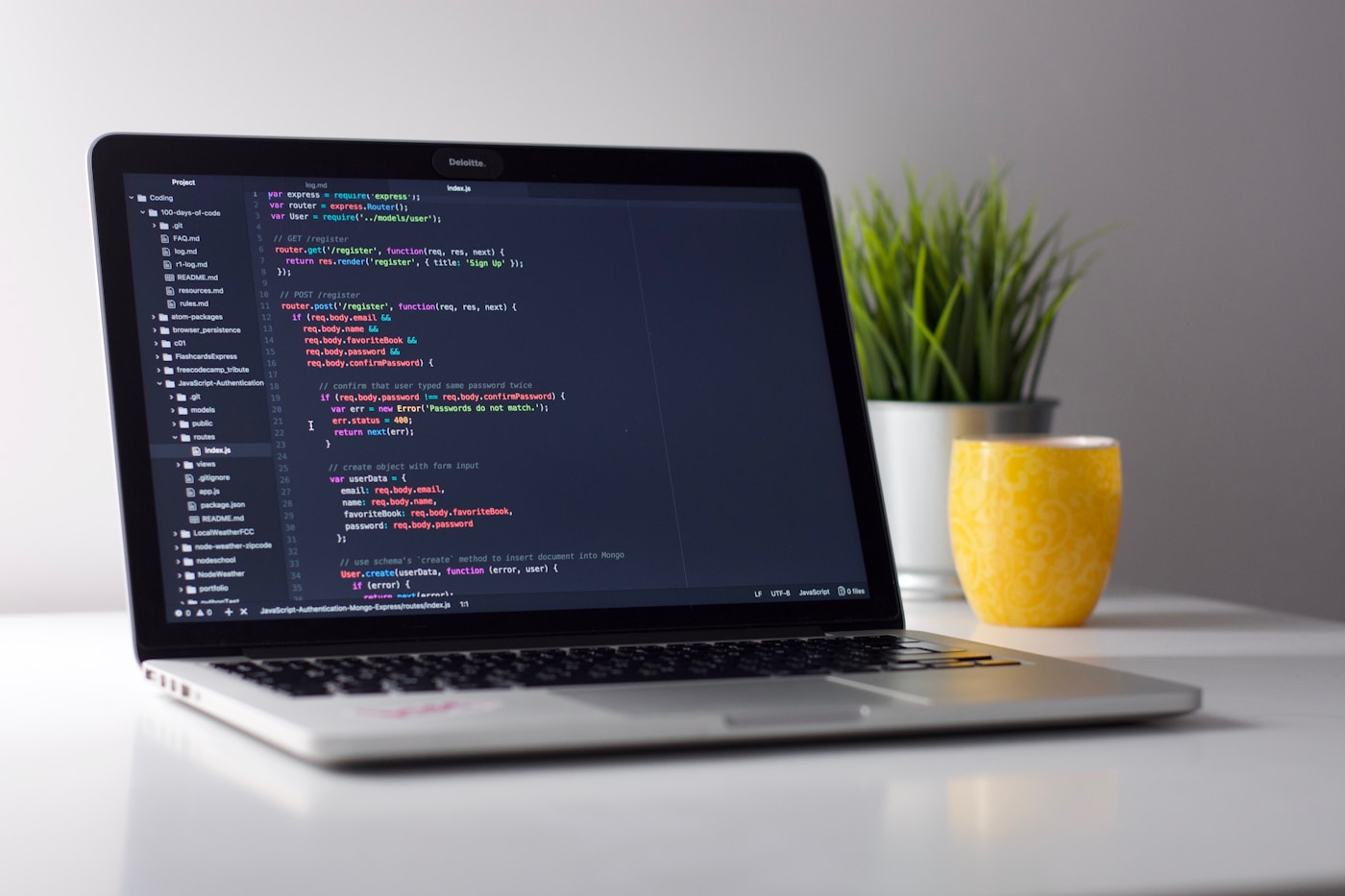
WordPress theme development — Unsplash

Plugin development in a modern IDE — Unsplash
The Economy That WordPress Built
WordPress isn’t just a platform. It’s an economy. Estimates place the WordPress economy at over $635 billion per year when accounting for all goods and services built on or around the platform. Hosting companies, theme shops, plugin developers, agencies, freelancers, course creators, and consultants — an entire universe of professionals exists because WordPress exists.
What This Ecosystem Looks Like
- 60,000+ plugins in the free repository, with thousands more sold commercially through Envato, individual developer sites, and plugin marketplaces
- 11,000+ themes ranging from free starter themes to $200 premium frameworks that power professional agency work
- Managed WordPress hosting is now a category unto itself, with WP Engine, Kinsta, and Cloudways competing for a market worth billions annually
- WordPress development is among the most in-demand skills in the global freelance market, with agencies billing $150–$300+ per hour for senior WordPress engineers

Content creation is at the heart of every WordPress site — from personal blogs to enterprise publishing platforms — Photo: Unsplash
Where WordPress Is Headed in 2026 and Beyond
The WordPress of 2026 looks radically different from the platform that launched in 2003 — yet its core values remain unchanged. Here’s what’s shaping the next chapter:
AI-Powered Publishing
AI tools are now deeply integrated into the WordPress workflow. From AI-generated draft content and automatic image alt-text to semantic search and personalized content recommendations, machine learning is transforming what it means to run a WordPress site. Gutenberg itself is gaining AI features that can generate entire block layouts from a text prompt.
Performance as a Core Feature
WordPress has long battled a reputation for being slow. That’s changing rapidly. WordPress 6.x brings aggressive caching, optimized asset loading, and native lazy loading. Combined with the explosion of CDN-first hosting, modern WordPress sites can achieve Core Web Vitals scores that rival React SPAs.
The Headless Frontier
An increasingly popular pattern uses WordPress purely as a content backend — a “headless” CMS — while serving the frontend through React or Next.js. This decoupled architecture gives developers the flexibility of modern JavaScript frameworks while keeping editors in the familiar WordPress admin they love.

Modern WordPress development spans traditional PHP, JavaScript, REST API, and cloud infrastructure — Photo: Unsplash
“In the next decade, the websites that thrive will be the ones that treat performance, accessibility, and content quality as first-class features — not afterthoughts.”Web Performance Working Group, W3C 2025
Start Your WordPress Project Today
Whether you’re building a personal blog, a business site, or a full e-commerce platform, the team at Pro Guard can help you get online — beautifully.
Book a Free Consultation